Arts of The Working Class
In collaboration with Architects 4 Tempelhofer Feld
Berlin, Germany
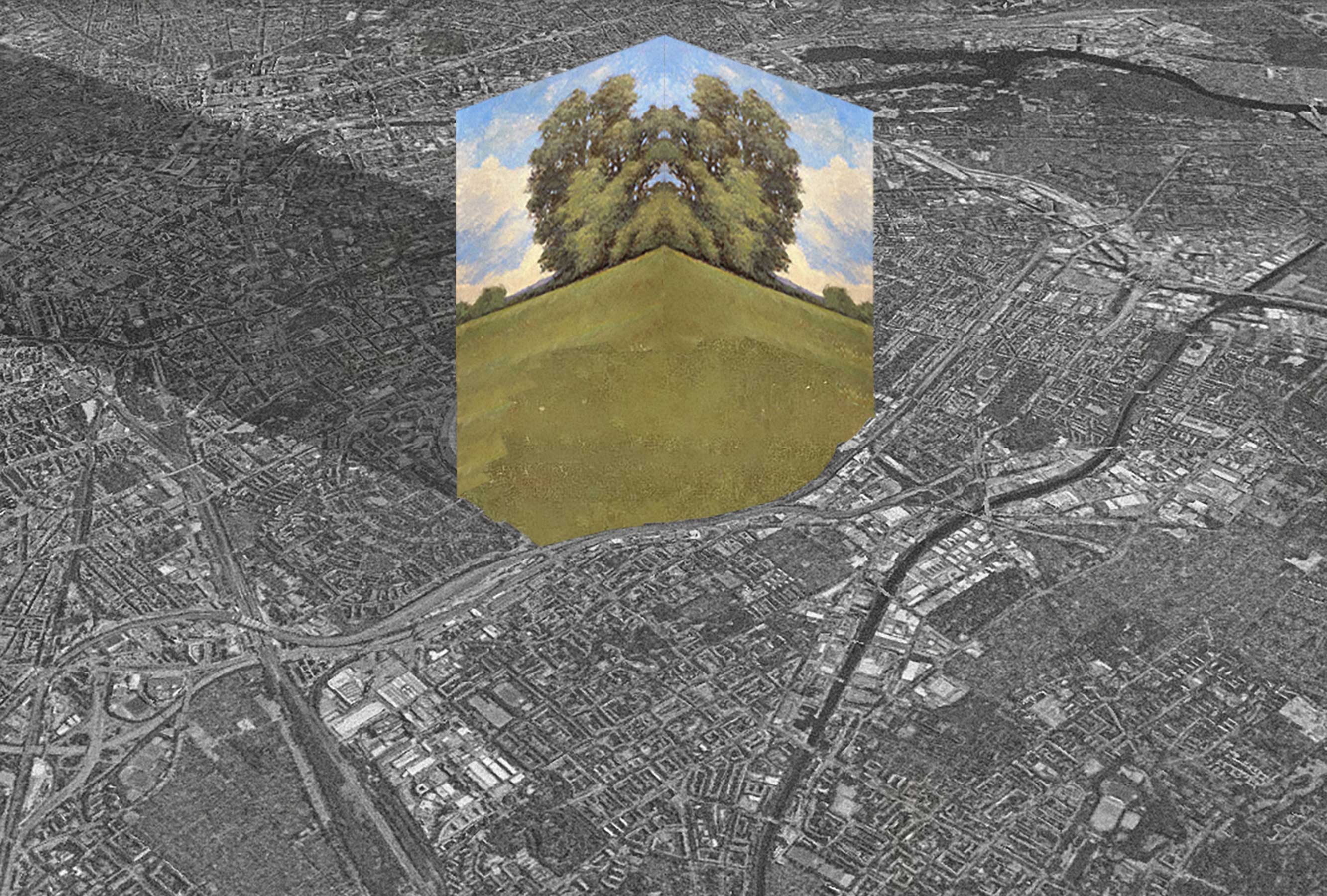
Contemporary urban planning frequently approaches unbuilt land through a vocabulary of vacancy, underutilisation and incompletion, positioning open space as a condition awaiting development.
Taking Tempelhofer Feld in Berlin as its central case, The Grammar of the Unbuilt examines the relationship between urban development, spatial restraint and the politics of open land. The former airport, preserved as an extensive public landscape, offers a critical setting in which competing understandings of urban value, collective use and ecological continuity become visible.
The research considers how the language used to describe unbuilt space influences its perception, governance and possible futures. Drawing on architectural and urban discourse, including O. M. Ungers' concept of the Green Archipelago, it explores the potential of spatial discontinuity and deliberate pauses within the processes of urban transformation.
Rather than treating non-construction as an absence of architectural action, the investigation proposes an expanded understanding of architectural practice in which withholding, stewardship and the preservation of spatial openness become active forms of design. It argues for recognising the unbuilt as an essential component of urban life, capable of accommodating ecological processes, collective appropriation and alternative futures.