The Trajectory of Avant-Gardism: Non-Conscious Expressions In The Post-Conflict Balkans
European Network for Avant-Garde and Modernism Studies
Uniwersytet Jagielloński
Kraków, Poland
With Edmond Drenogllava, University of Cincinnati, USA
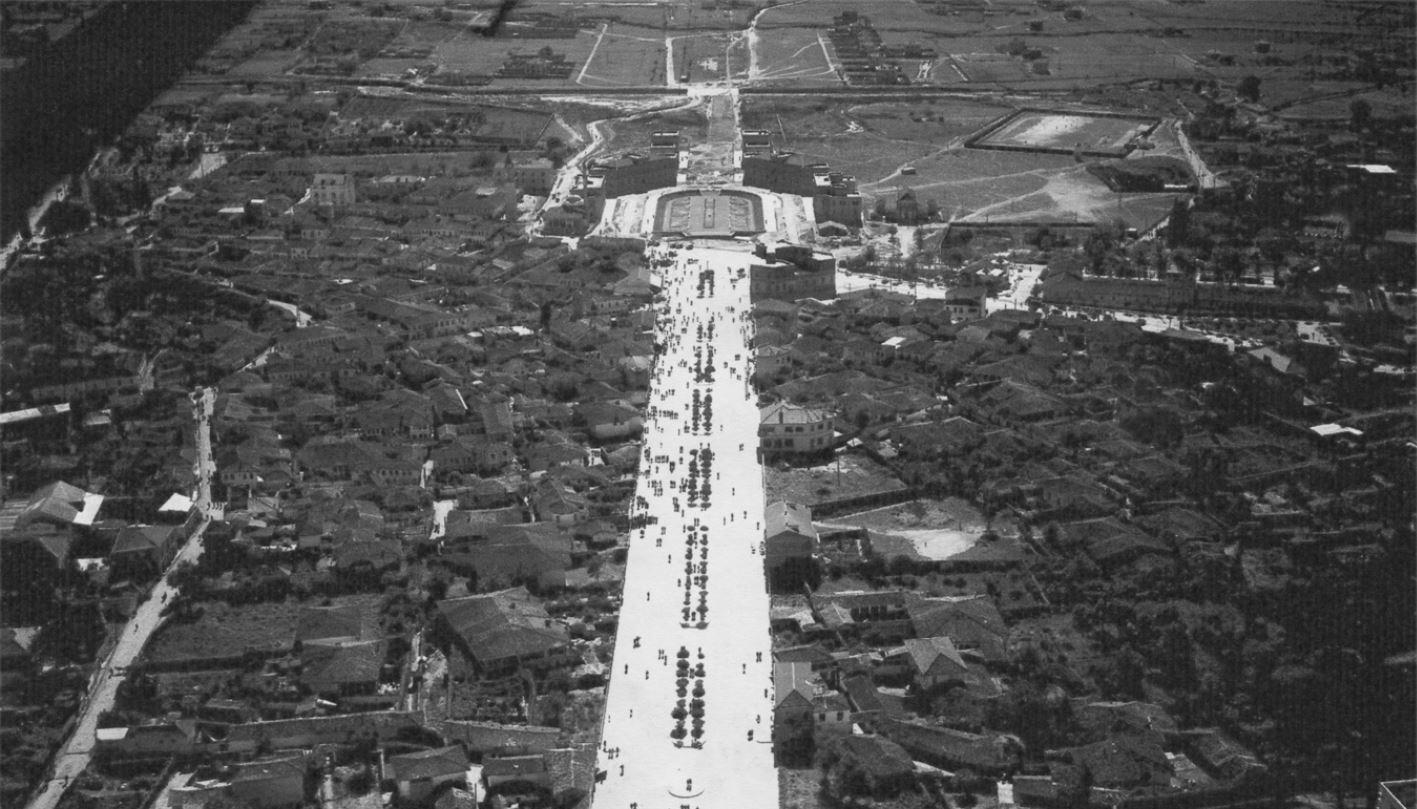
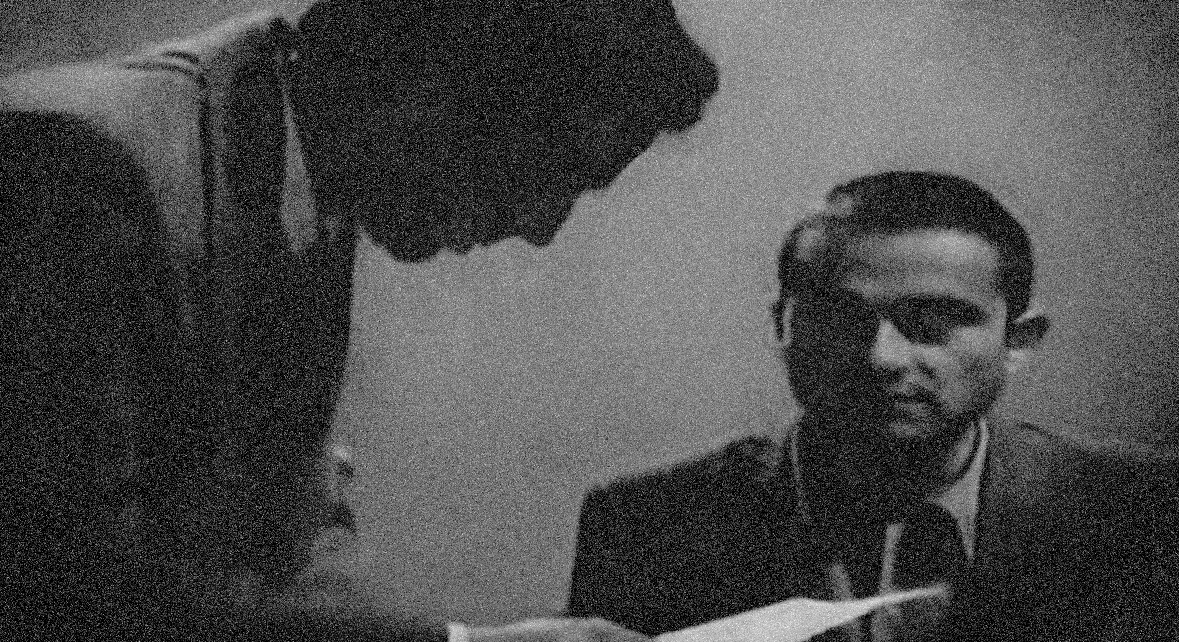
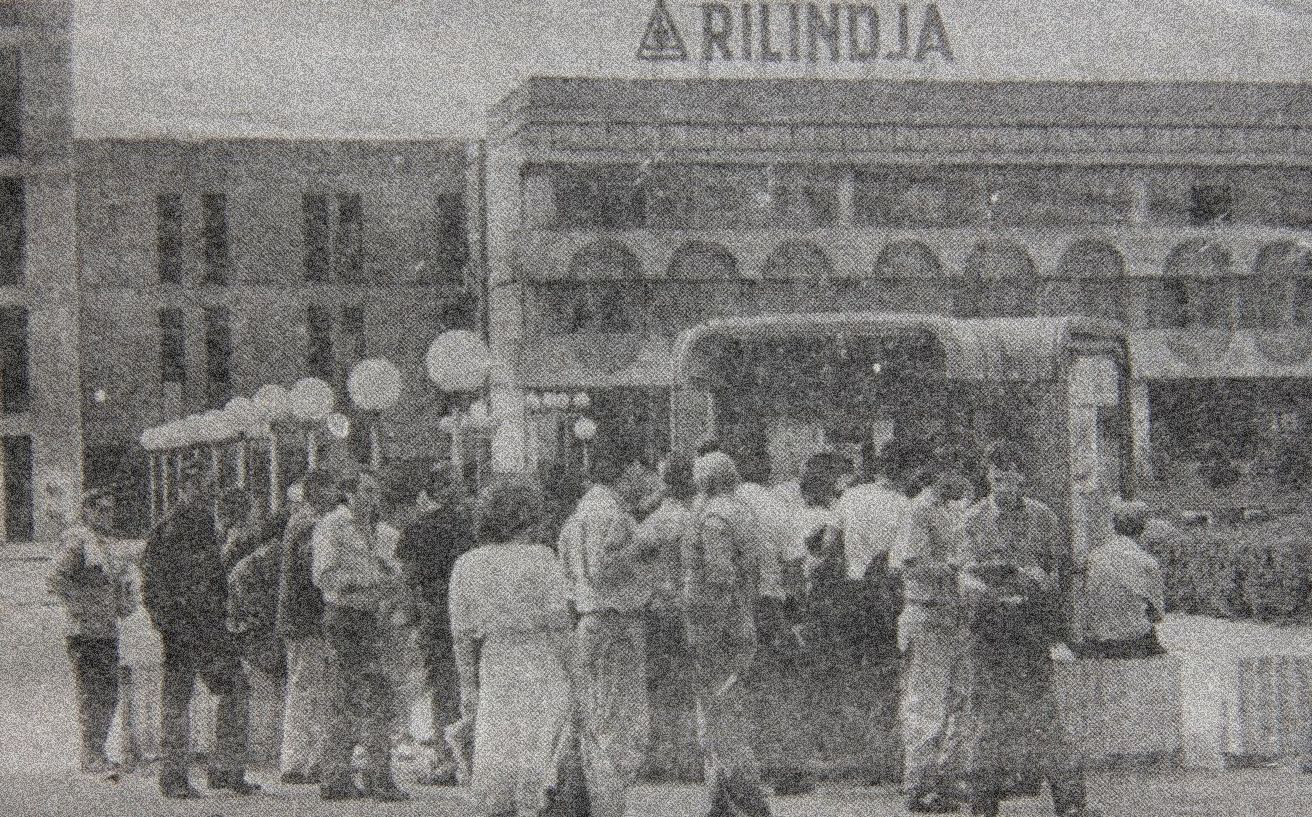
“Në ç’kuptim është përdorur lepuri këtu?!” - a chilling question from Saimir Kumbaro’s film “Gezhoja.” The teacher’s response, careful yet profound: “Në kuptimin ushqimorë të fjalës.” Beneath the surface, the rabbit is a symbol, a whisper of the political weight pressing down on creativity. In Albania, isolation forged avant-garde art in defiance of stagnation. Petro Marko said it best: “To be an artist, you must be a fighter, because otherwise you starve for bread.” Bosnia, meanwhile, wove its narrative through contrasts, adapting architecture under the constraints of socialist Yugoslavia. Is freedom the sole incubator of creativity? Does oppression ignite subversive resistance? Can Balkan avant-garde transcend its context, reshaping architectural history? A paradox unfolds. Its essence lingers in the tension between constraint and liberation, reminding us that creativity often thrives where the soul wrestles with silence.